Last updated: Oct 6, 2026 · Last checked: Not available yet
Best Fish for 29 Gallon Tanks
A 29 gallon tank gives more vertical room and enough volume for stronger schools, sturdier bottom fish, and a real centerpiece species.
Top picks
1. Bolivian Ram (Mikrogeophagus altispinosus)
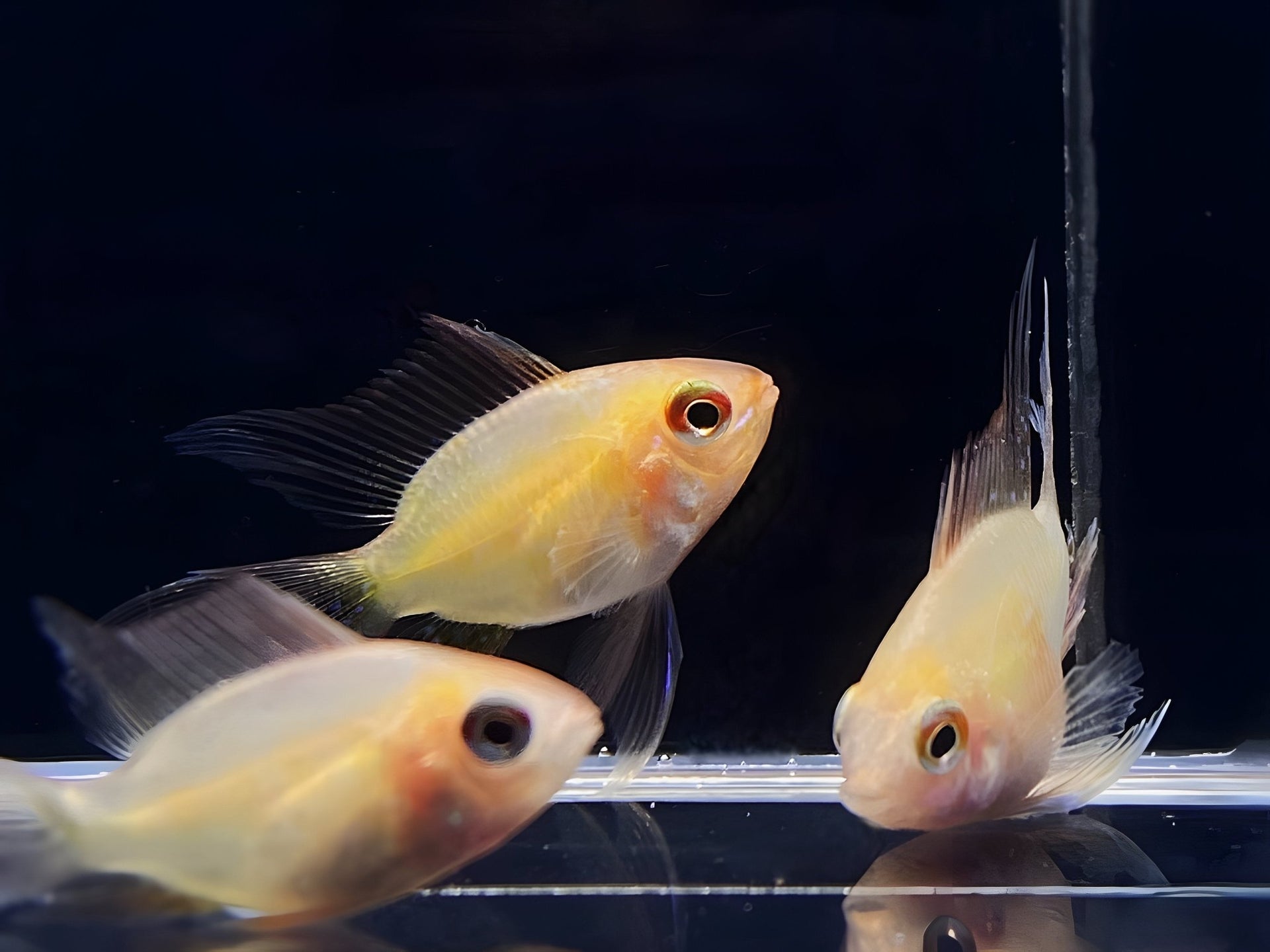
Best for: peaceful cichlid centerpiece
Why it makes the list: one of the best “first cichlid” choices for a community tank.
- Adult size: 3 to 4 inches
- Behavior: calmer than many dwarf cichlids
- Water: 72 to 79 F, pH 6.0 to 7.5
- Diet: varied omnivore diet with frozen support
- Setup: soft substrate, caves, moderate flow
- Watch-outs: poor water quality hits appetite and color quickly
- Buying note: good choice for careful overnight or stable 2-day shipping
2. Rummy Nose Tetra (Hemigrammus rhodostomus)

Best for: tight schooling display tank
Why it makes the list: few fish school as cleanly and dramatically in a community tank.
- Adult size: around 2 inches
- Behavior: strong schooling fish
- Water: 75 to 82 F, pH 5.5 to 7.0
- Diet: micro pellets and frozen foods
- Setup: long midwater swim lane
- Watch-outs: weak in unstable tanks
- Buying note: buy from vendors with strong acclimation instructions
3. Sterbai Corydoras (Corydoras sterbai)

Best for: warmer planted communities
Why it makes the list: one of the best cory choices when the tank runs a little warmer.
- Adult size: 2.5 to 3 inches
- Behavior: social bottom fish, best in groups
- Water: 74 to 80 F, pH 6.0 to 7.5
- Diet: sinking pellets and frozen foods
- Setup: fine sand and oxygen-rich bottom movement
- Watch-outs: rough substrate and food competition
- Buying note: check packing density for bottom-fish shipments
4. Bristlenose Pleco (Ancistrus sp.)
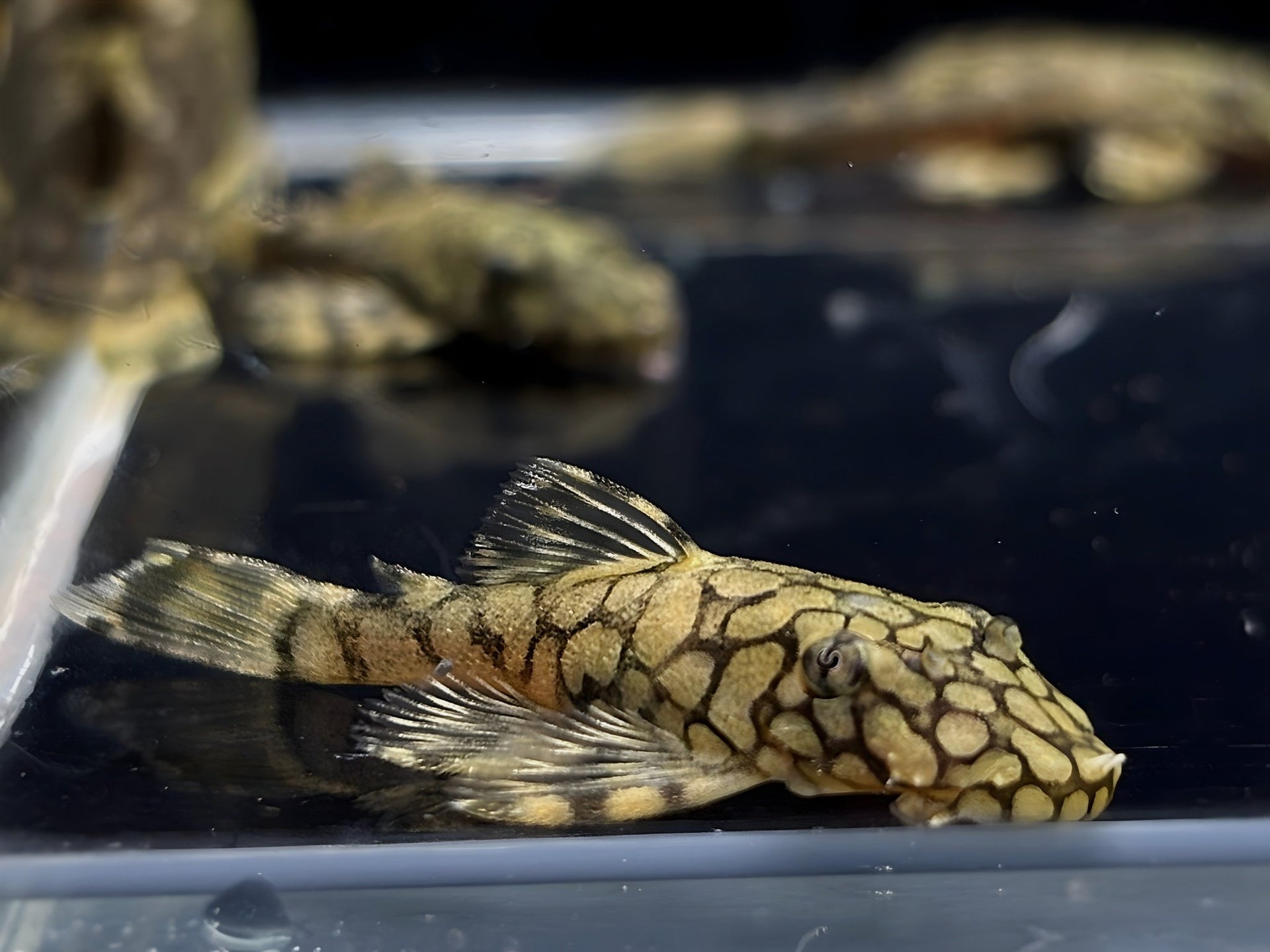
Best for: algae support fish with personality
Why it makes the list: one of the few plecos that truly fits this tank size long term.
- Adult size: 4 to 6 inches depending on line
- Behavior: mostly peaceful, males get territorial with each other
- Water: 72 to 80 F, pH 6.5 to 7.8
- Diet: algae wafers, vegetables, driftwood grazing
- Setup: driftwood and hides are important
- Watch-outs: waste load gets underestimated all the time
- Buying note: confirm exact species or line before buying